

Otto
A friendlier Otoscope
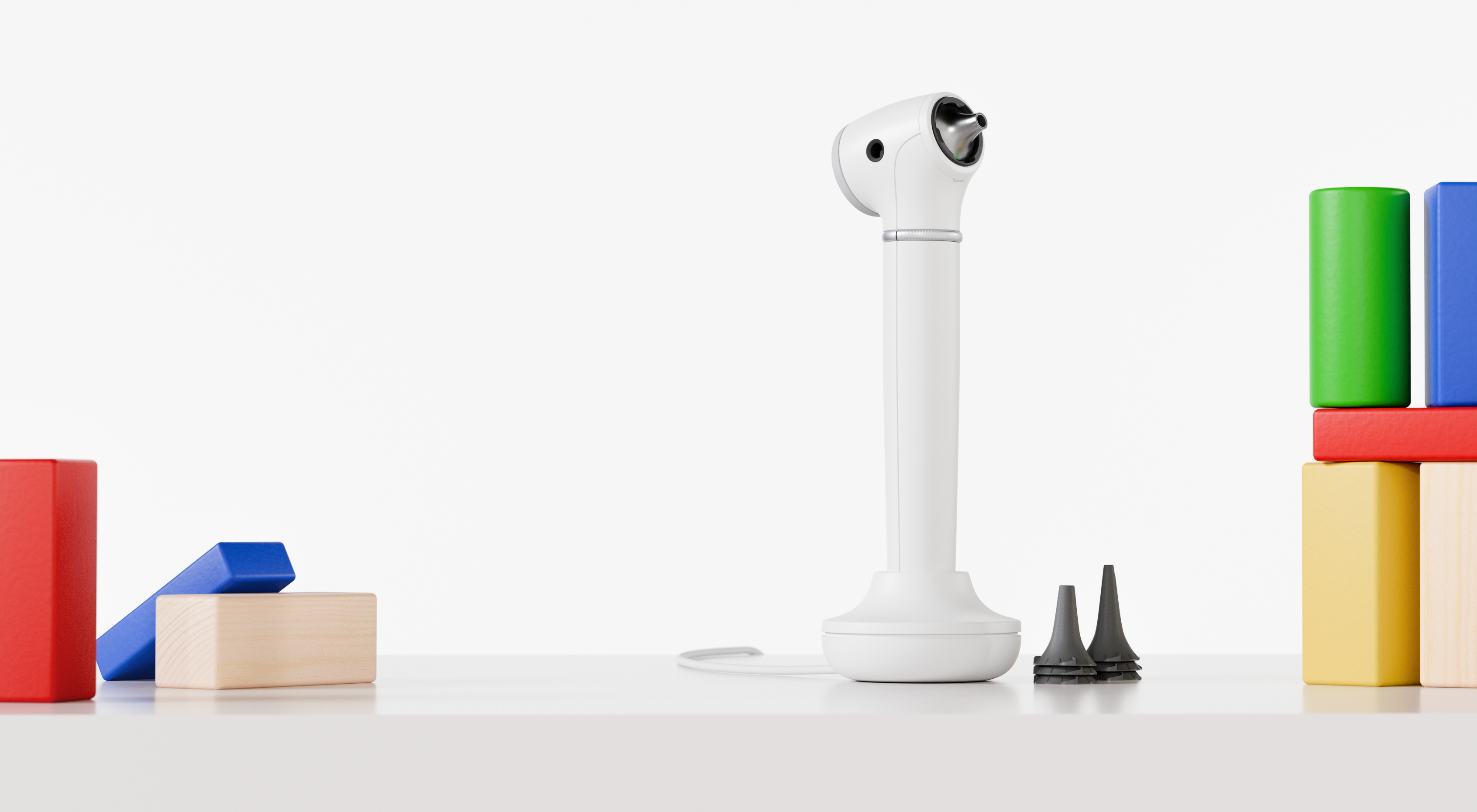
Otto is a friendly otoscope designed for doctors and the children they meet at ENT health clinics. It supports fast, confident examinations while helping young patients feel safe. By designing for both the doctor’s functional needs and the child’s emotional response, we reduce friction in an important moment of care.
An ear exam is never just a task. It’s a small negotiation of trust, often happening in seconds. In the moment of care, the doctor needs stability, control, visibility, while the child needs comfort. Otto was shaped for interactions: how it is picked up, presented, and brought to the child’s ear.

Iterative hands-on exploration
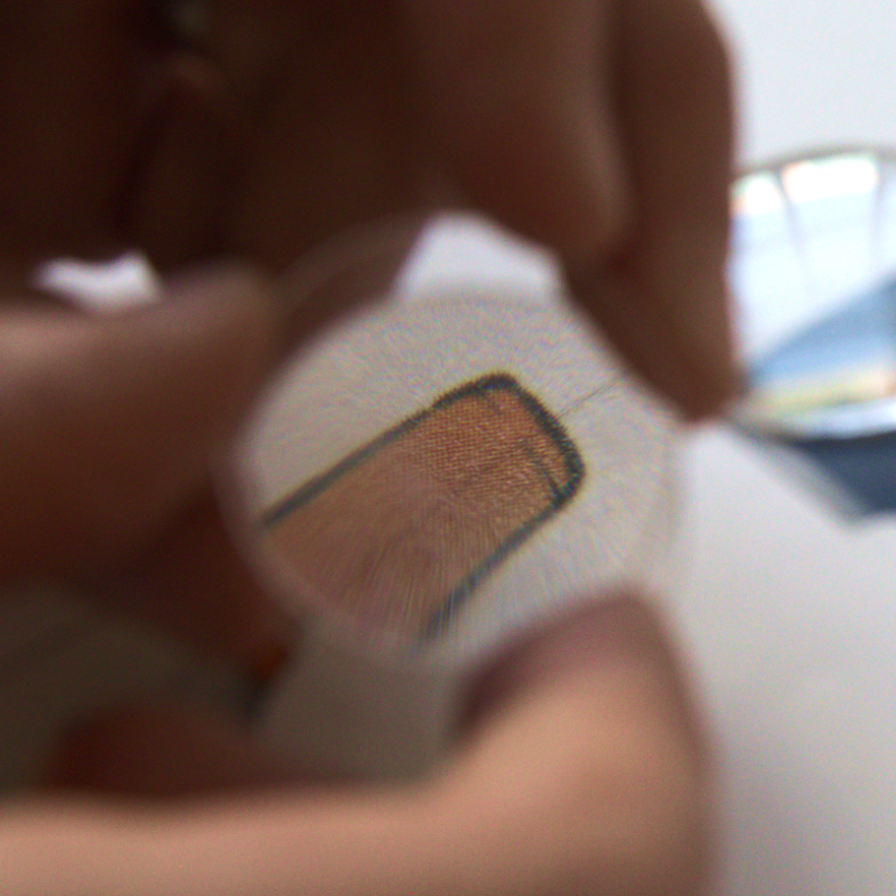
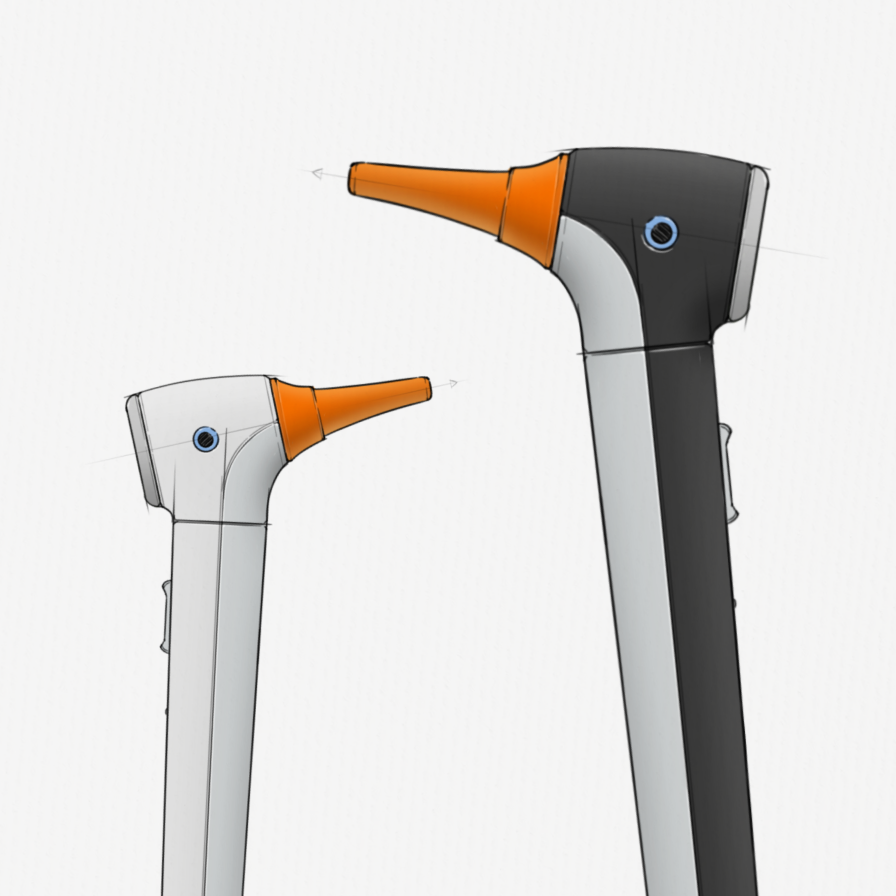
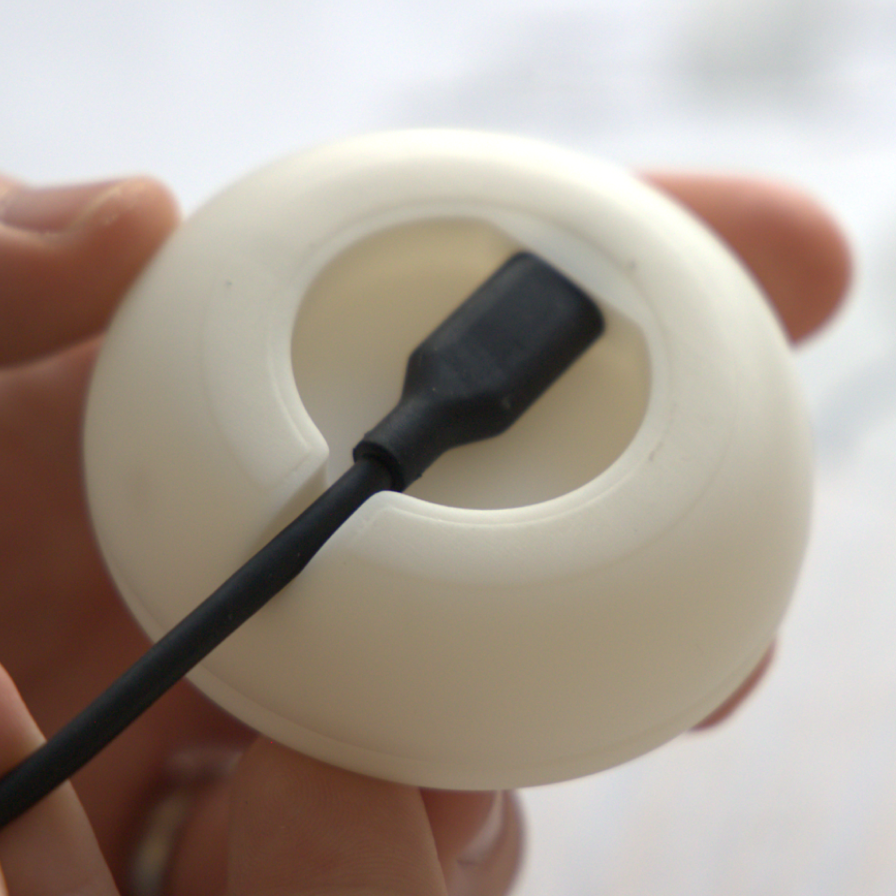
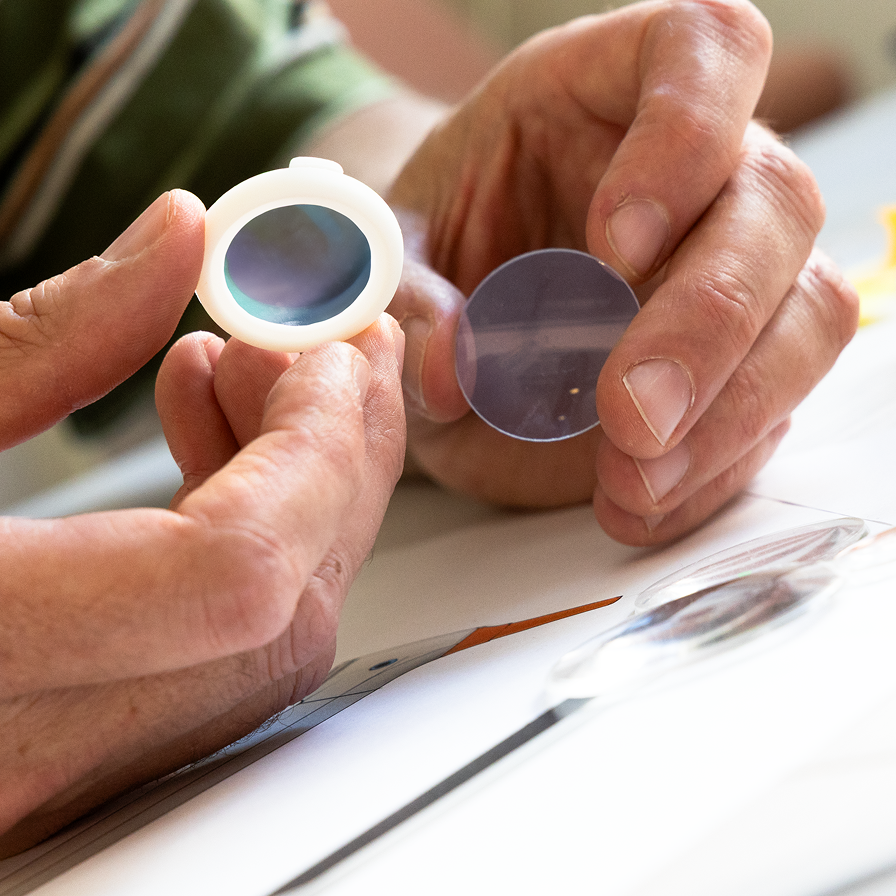
We worked in tight loops, learning through making. Rapid 3D prints and lo-fi mockups helped us explore grip, balance, and how the product reads at a glance, especially from a child's perspective. The concept was tested with both HCPs and children alongside internal prototype rounds, gathering real feedback through real interaction, not product renderings.
Detailing with intent
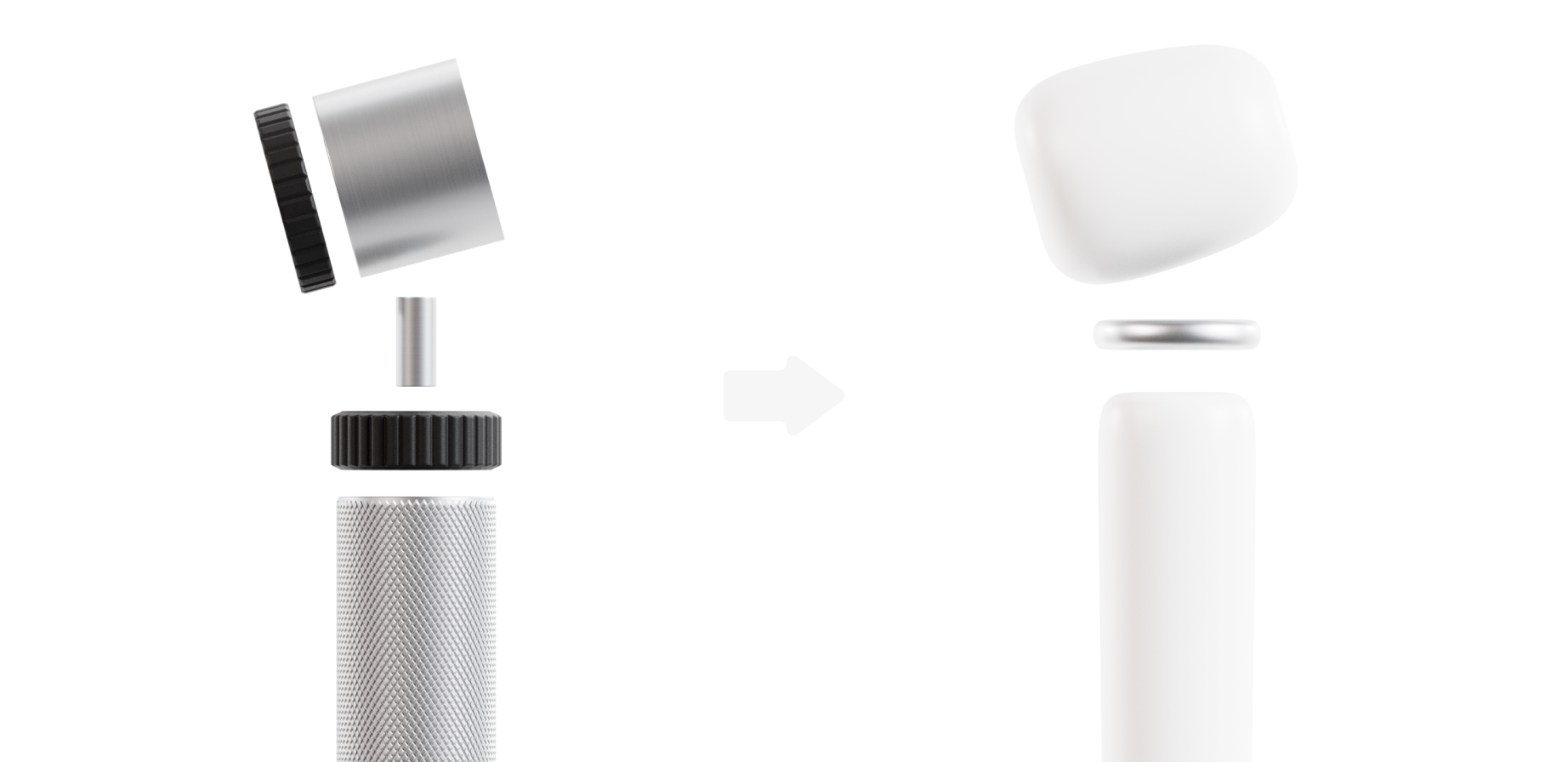
The understanding of clinical examination needs alongside the emotional dynamics of paediatric care, defined what the otoscope must do and how it must feel. Function and emotion, shaped every surface, split line, and material transition. Each component was refined to balance perception, manufacturability, and user guidance bringing the device to life without compromising intent. Hiding tech and enhancing grip ergonomics were key to ensuring a product that feels friendly yet precise and professional.
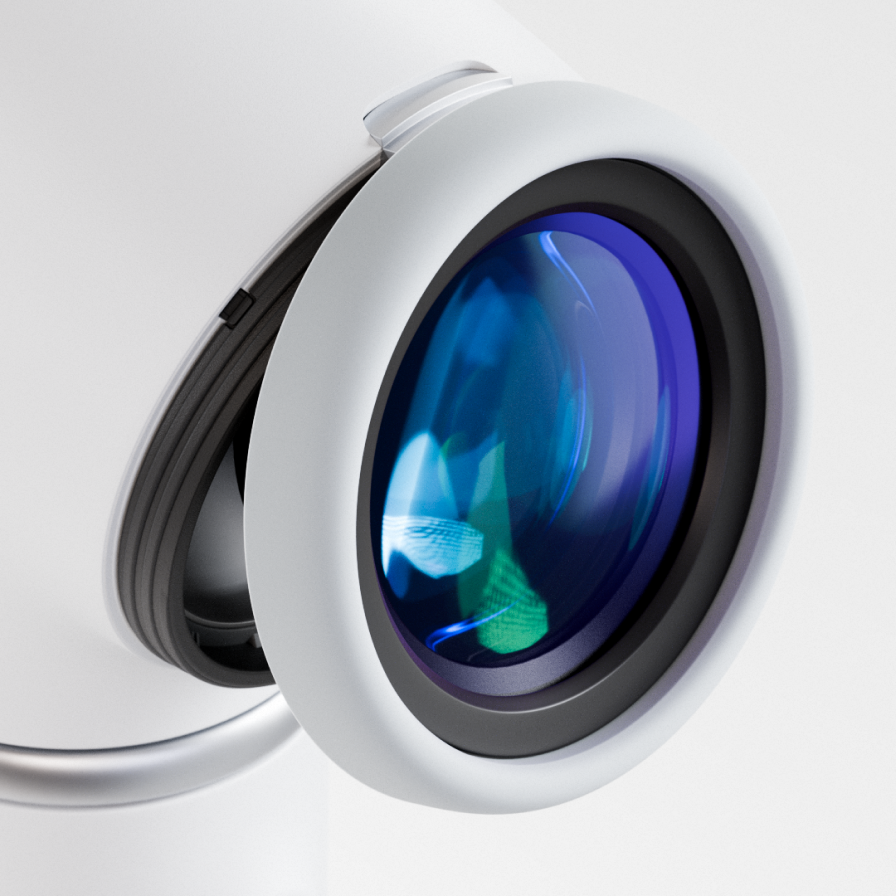
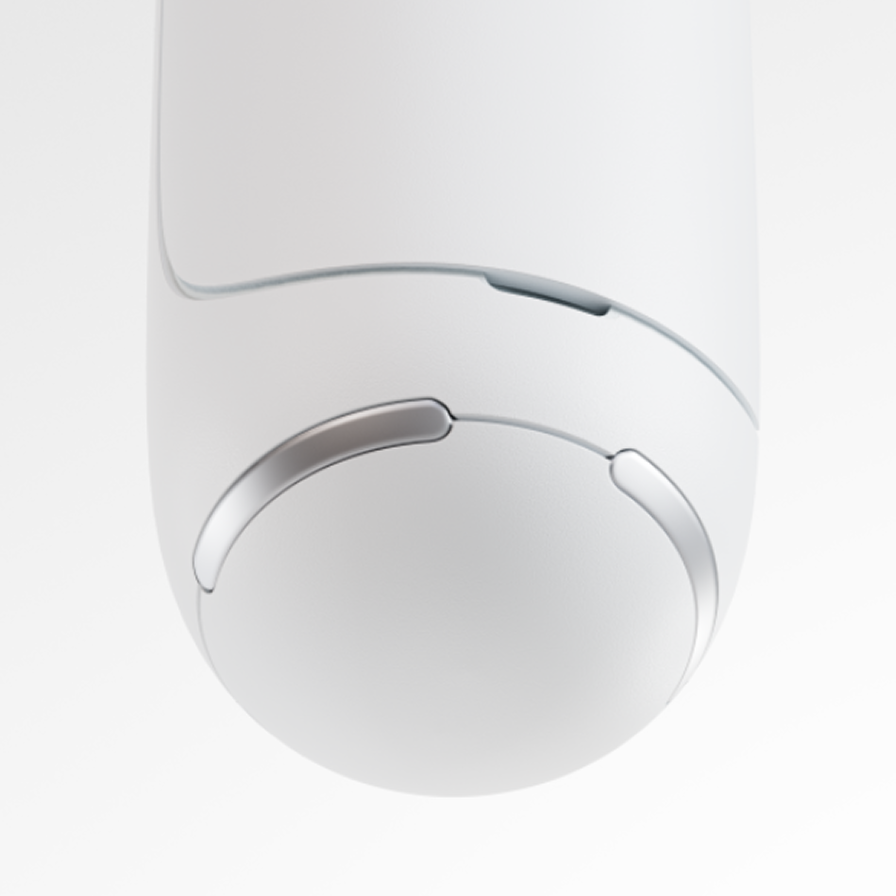
Explore functional and emotional needs.